Gordon Brown Calls for Higher Machine Games Duty on Betting Shop Gaming Machines
Erik Krüger · Aug 27, 2026

Gordon Brown Calls for Higher Machine Games Duty on Betting Shop Gaming Machines
Gordon Brown has proposed a substantial rise in machine games duty applied to gaming machines located in adult entertainment centres such as those found in betting shops, with the former prime minister estimating that the change could generate as much as £500 million annually to help offset rising household energy bills. The plan focuses specifically on these venues while leaving bingo halls and pubs unaffected by the increased rate. Observers note that the suggestion comes amid ongoing discussions about how gambling taxation might contribute to wider public finances without disrupting every sector of the industry equally.
Details of the Proposed Tax Adjustment
The machine games duty increase would target fixed-odds betting terminals and similar devices operating in betting shops, a move designed to capture revenue from a particular category of gaming activity. According to the outline presented, the additional funds would flow directly toward assistance programmes for household energy costs that have climbed in recent years. Those who have reviewed the proposal point out that it deliberately excludes bingo halls and pubs, preserving existing duty structures in those locations and concentrating the adjustment on adult entertainment centres within the betting shop network. Figures attached to the suggestion indicate a potential yield reaching £500 million, which could then support targeted relief measures for consumers facing higher utility expenses.
Responses from the Horseracing Sector
Industry representatives from horseracing have issued warnings about the downstream effects such a tax rise might produce. They highlight the possibility of numerous betting shop closures that would in turn reduce levy income collected from the sector and diminish media rights revenue streams that depend on the continued operation of retail betting outlets. The concerns centre on the interconnected nature of the racing ecosystem, where betting shop activity supplies a measurable portion of funding that supports race meetings, prize money, and broadcasting agreements. Data referenced in these assessments shows that any contraction in the number of active shops could create measurable shortfalls in these established revenue channels.
Estimates from the Betting and Gaming Council
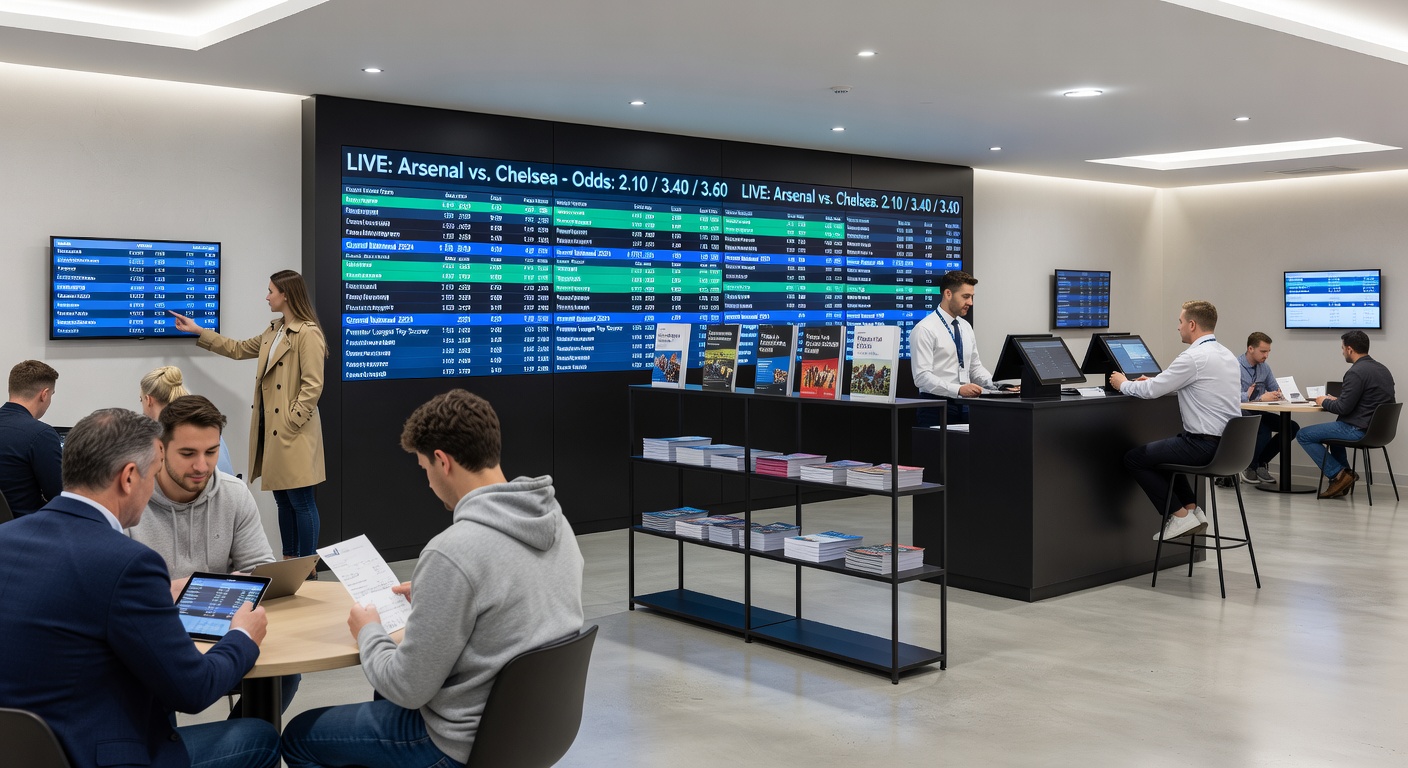
The Betting and Gaming Council has supplied its own projections on the scale of impact, indicating that the proposed duty increase could result in more than 2,900 betting shop closures across the country along with the loss of over 21,000 jobs. These calculations take into account the operating margins currently sustained by gaming machine revenue and the limited flexibility operators would have if duty rates rise sharply. Figures released by the council illustrate how cumulative cost pressures might force widespread site rationalisation, particularly in locations where footfall and machine usage already operate at modest levels. People familiar with the retail betting landscape note that such closures would concentrate remaining activity in larger urban sites while eliminating many smaller high-street premises.
Broader Context Around the Proposal
The suggestion aligns with previous patterns in which successive governments have adjusted gambling taxation to meet fiscal objectives, yet the current framing ties the revenue explicitly to energy bill support. Analysts who track these policy developments observe that the targeted approach avoids blanket increases across all gambling formats and instead isolates adult entertainment centres as the primary contributors. The Betting and Gaming Council has emphasised that its closure and employment forecasts derive from modelling that incorporates existing duty rates, machine profitability, and regional variations in customer spend. Meanwhile the horseracing industry continues to stress the secondary losses that would follow any significant reduction in betting shop numbers, including diminished contributions to the levy and associated media contracts.
Conclusion
The proposal from Gordon Brown therefore sets out a clear mechanism for raising £500 million through elevated machine games duty on gaming machines in betting shops, while the Betting and Gaming Council and horseracing representatives have outlined the potential consequences in terms of site closures, job reductions, and lost industry income. The distinction drawn between betting shops on one side and bingo halls plus pubs on the other remains a central feature of the plan as presented. Data and estimates from both the former prime minister’s office and the Betting and Gaming Council provide the quantitative foundation for the discussion now underway.